 Nous sommes votre équipe canadienne de l’Atlantique


 1-877-445-3527

 PRO Pricing en ligne et commande en ligne
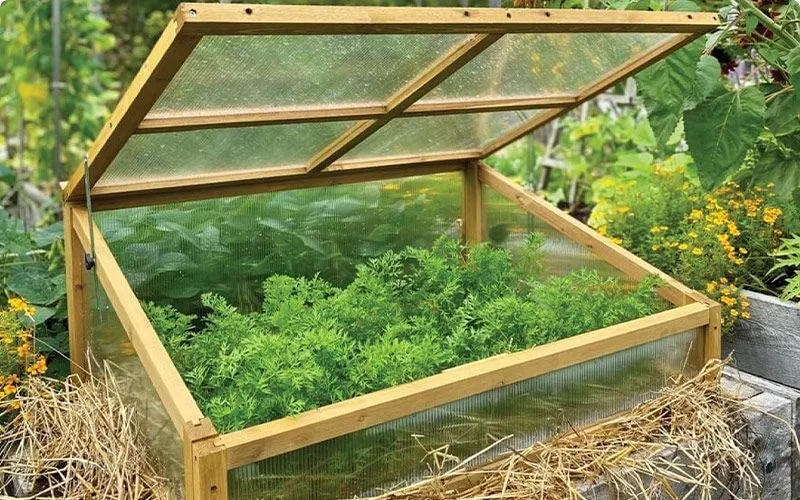
Extend Your Growing Season with a Cold Frame
A cold frame is one of the simplest and most effective ways to extend the gardening season. Acting like a miniature greenhouse, a cold frame protects plants from colder temperatures while capturing solar heat, creating a warmer environment that supports continued growth well into autumn and even winter.
These structures are typically made from a bottomless box fitted with a transparent lid. They can be placed directly on garden beds, raised planters, or container gardens and are suitable for both spring and fall growing.
Whether you purchase a ready-made kit or build your own from lumber and polycarbonate panels, a cold frame is an affordable way to maximize harvests throughout the year.
Choosing the Right Location
Choosing an ideal location is essential for cold frame success. Position the structure in a south-facing area that receives maximum sunlight throughout the day.
Avoid locations shaded by buildings, fences, trees, or other obstacles that may limit valuable winter sunlight. More sun exposure means greater heat retention and stronger plant growth.
Before planting, enrich the soil with compost or well-aged manure to improve fertility, drainage, and moisture retention.
Planting in a Cold Frame
A cold frame can be used during both spring and fall gardening seasons. In spring, it allows gardeners to sow cool-season crops several weeks earlier than traditional outdoor planting dates.
In late summer and early autumn, a cold frame becomes a valuable tool for protecting crops as temperatures decline, extending harvest opportunities beyond the normal garden season.
Hardy vegetables such as leafy greens and root crops perform particularly well because they tolerate cooler temperatures while benefiting from additional warmth provided by the cold frame.
Caring for Cold Frame Vegetables
Vegetables grown inside a cold frame require much of the same care as those grown in traditional garden beds. Consistent moisture, healthy soil, and adequate sunlight remain essential for strong growth.
Monitor soil moisture regularly and water when necessary. During rainy weather, opening the lid can allow natural rainfall to irrigate your crops.
Ventilation is equally important. On sunny days, temperatures inside a closed frame can rise rapidly. Open the lid whenever outdoor temperatures are mild to prevent overheating and encourage healthy air circulation around plants.
As spring temperatures become more stable, cold frames can often remain open during the day and only be closed overnight or during adverse weather.

6 Great Crops for a Fall Cold Frame
Cold frames are especially useful for cool-season vegetables that continue to thrive as temperatures decline. The following crops are excellent choices for late-season planting and harvesting.
- Spinach
- Lettuce
- Arugula
- Turnips
- Radishes
- Scallions


Start Your Extended Harvest
Cold frames offer an easy and affordable way to maximize the productivity of your garden while extending harvests beyond traditional growing seasons.
By selecting hardy crops, choosing a sunny location, and providing proper ventilation and moisture, you can enjoy fresh vegetables weeks or even months longer than a standard garden allows.